LOUISA AKKA
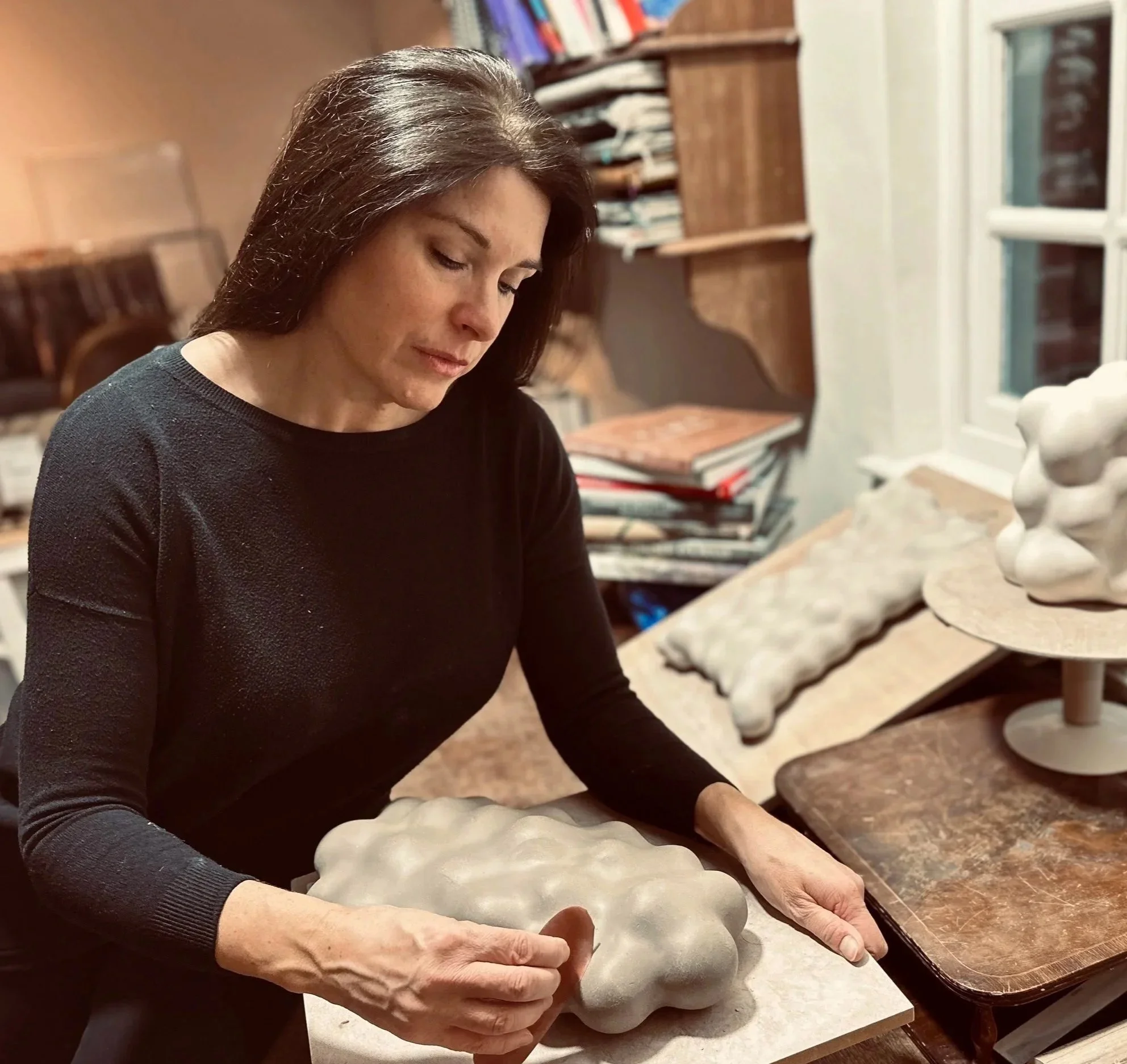
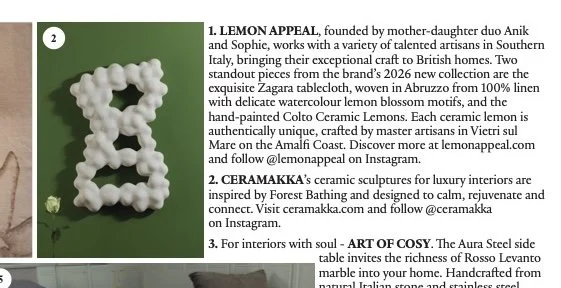
Louisa creates contemporary ceramic sculptures that bring the quiet power of the forest into interiors, translating the science of Forest Bathing into forms that calm, rejuvenate and connect. Her biomorphic sculptures depict the delicate dance of growth and decay, entropy and regeneration, evoking organic systems from the microscopic to the monumental.
Each sculpture, untouched by glaze to enhance its tactile integrity, is a study in texture, energy, and sustainability, capturing life in transformation, while honouring the materials and the environment.
Louisa’s sculptures can be tailor-made for luxury residences, prestigious hotels and curated spaces, offering sophisticated, contemplative anchors to infuse spaces with nature’s relaxing rhythm and resonance via the biophilic serenity of her organic flowing forms.
Louisa is a member of Future Icons
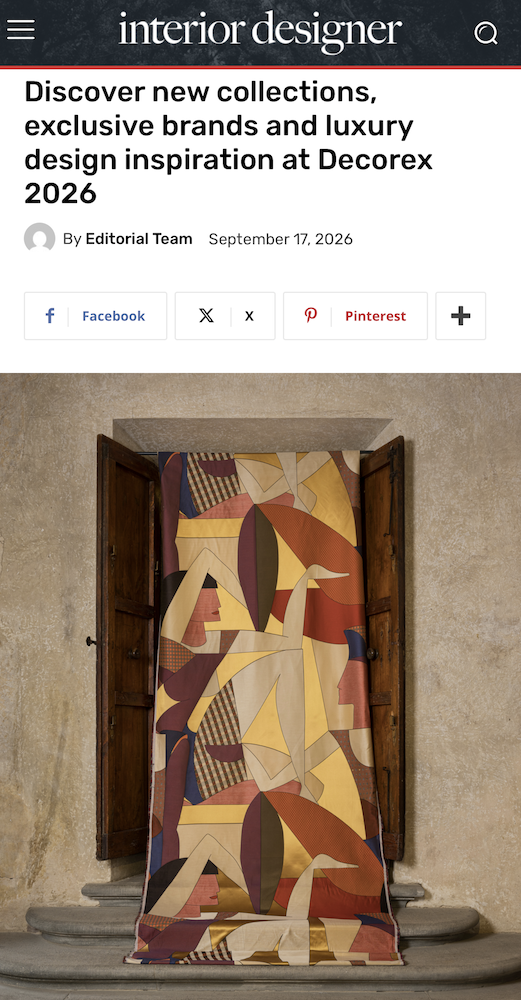
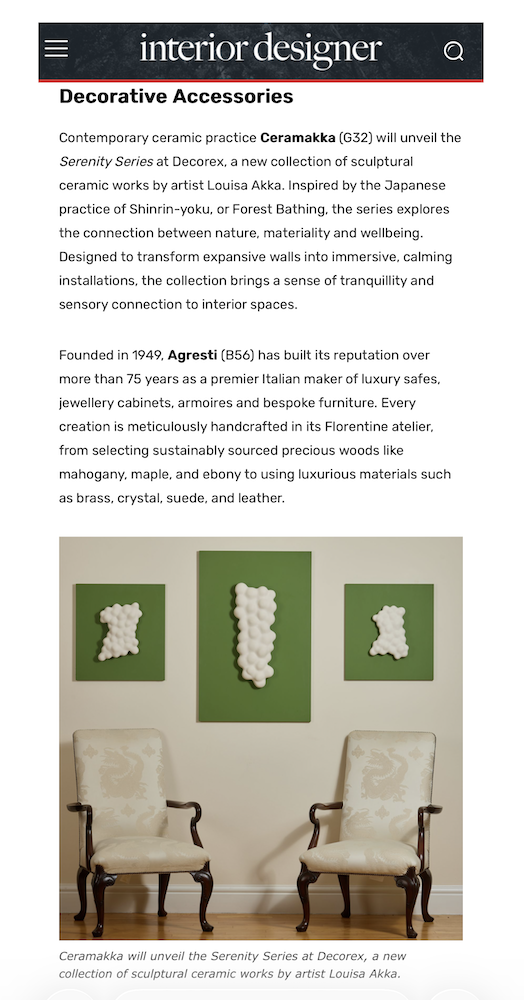
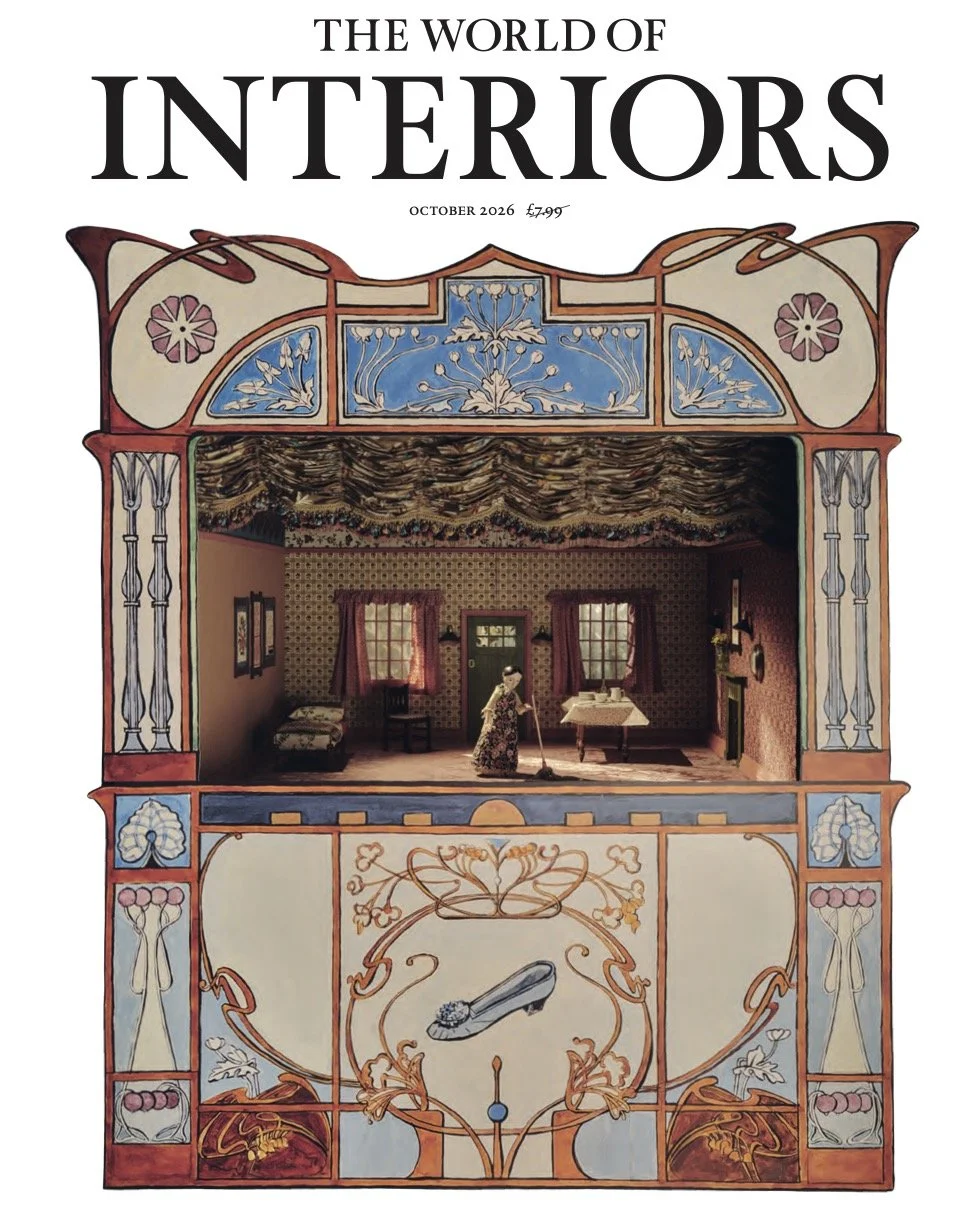
September 2026 World of Interiors
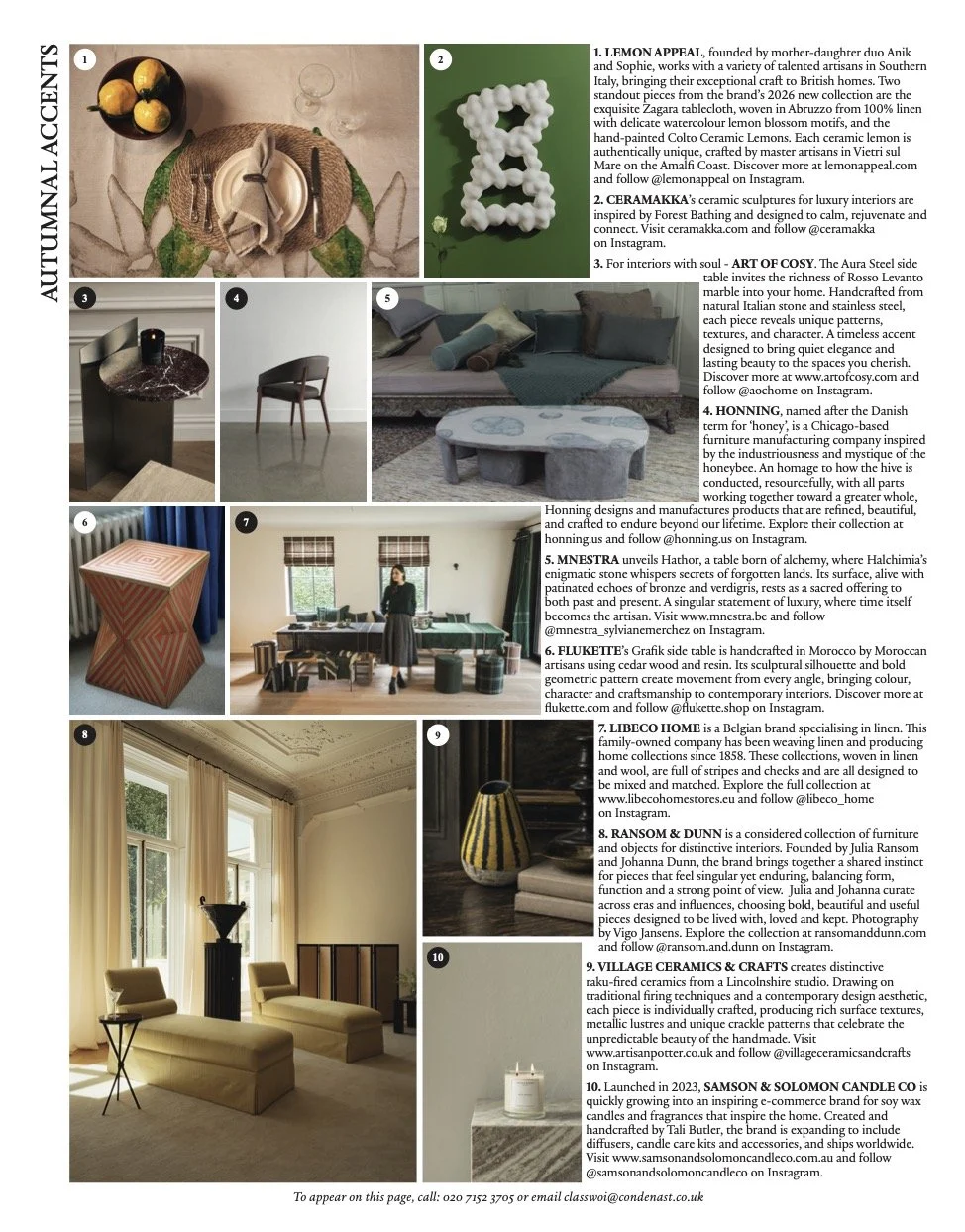
Featured in the “Autumnal Accents” Interior Design Showcase (October Issue)
September 2026 Dezeen
Featured as part of Dezeen’s partnership content for London Design Festival Read the feature →
July 2026 Blend London Magazine
Featured in The Contemporary Bottega article - an exploration of the renewed importance of materiality, craftsmanship and making within London’s design culture Read the feature →
Previous Highlights
September 2026 New Designers Selects at Shoreditch Design Week
June - July 2026 Fresh Air Sculpture
May 2026 Future Icons Selects (Covering London Craft Week & Clerkenwell Design Week)
June 2025 - April 2026 MSoA Vertical Gallery Exhibition
July - September 2025 “From Ashes to Blossoms” Exhibition at the Eden Foundation Japanese Gallery, London
July 2025 New Designers Exhibition
July 2025 Manchester School of Art - 1st Class Honours BA(Hons) Product Design & Craft
June 2025 “Bloom” Manchester School of Art Degree Show
April 2025 Awarded Commission for Vertical Gallery at MSoA
March 2025 Finalist for The Ideas Festival, MMU
November 2024 Manchester Fashion Institute and MMU Collaboration with Community Clothing - Design for Planet Festival
June 2024 Cheshire Clay Studio - Open Studio
2020 Warrington and Vale Royal College Exhibition in collaboration with the charity Mid-Cheshire Mind,
2019 “Salt of the Earth” Lion Salt Works Exhibition, Cheshire
Sustainability
At Ceramakka, sustainability is not an additional consideration applied to the work. It is inherent in the way each sculpture is conceived, made and intended to live within an interior.
Every decision begins with a consideration of material: what is necessary, what can be reduced, what can be reused, and what can ultimately be recovered. This philosophy of restraint extends from the clay itself through making, firing, transport and installation, with longevity considered as an essential part of responsible design.
Material and Making
Each sculpture is entirely hand-built, allowing the form to develop directly through the relationship between hand, material and structure. Only the clay required to cover its individual armature is used, avoiding the material excess associated with moulds and other production methods.
The process is deliberately pared back. No additional water or electrical input is required during the creation of the form, while structural armatures are removed before firing and repeatedly reused.
Ceramakka’s characteristic unglazed surface is also an important part of this approach. By eliminating glaze, an additional material and process is removed, together with the associated use of glaze materials, heavy metals, metal oxides and potential chemical run-off. Studio cleaning requires water alone, avoiding synthetic chemical cleaners.
The sculptures are single-fired, removing the additional firing stages associated with conventional glazed ceramic production. The result is a simpler, more considered process that allows the natural character and beauty of the fired stoneware to remain integral to the work.
Waste as Material Resource
Waste is approached as a material resource rather than an inevitable by-product.
Less than 5% of a bag of clay becomes waste, and this material is collected and reused where possible as slip for other projects. Pre-used newspapers are incorporated into paper armatures, while rejected or broken fired pieces are retained within the studio as kiln furniture and weighted supports.
Some broken ceramic material is also given a different life within a moss garden near the studio. The deliberately roughened, unglazed ceramic provides a stable, pH-neutral textured microclimate encouraging moss to establish it home, creating an evolving piece of nature-based design.
Packaging is considered in the same way. Padded sculpture bags and protective wrapping can be reused, while timber boxes made for larger works can be repurposed rather than treated as single-use packaging.
Ceramakka also works with local partners to redirect existing waste streams. The Bubble Room Bar & Restaurant provides used newspapers for reuse during the early stages of sculpture making, giving a material already destined for disposal another useful life.
Supply and Installation
Environmental consideration extends beyond the studio.
Clay is collected directly from Valentine Clays using an electric vehicle, reducing unnecessary journeys within the supply chain. Relationships with suppliers and local businesses are approached collaboratively, with opportunities for reuse and resource efficiency considered wherever possible.
Installation is similarly bespoke. Metal fixings are made specifically for each sculpture by a long-established local blacksmith and individually cut to the required length. This avoids unnecessary material associated with standardised hardware while supporting local craftsmanship and reducing transport.
The ceramic and metal components remain independent rather than bonded in any way. This allows the materials to be recovered separately at the end of their useful life, with the steel fixings being fully recyclable.
Designed for Longevity
For Ceramakka, sustainability also lies in making fewer, better things.
These are individually handcrafted sculptures, intended to remain within an interior for many years. Longevity is therefore considered alongside form, surface, texture, light and scale from the outset.
The ambition is not to make sustainability a key visible feature of the work. Rather, it is to allow environmental responsibility to exist quietly within the making: through material restraint, considered processes, durability and the continued life of materials beyond their first use.
A Connection to the Natural World
The thinking behind Ceramakka is rooted in Shinrin-yoku (Forest Bathing) and in a wider interest in the relationship between the natural world and human wellbeing.
Research into connection to the natural world, Forest Bathing and biophilic design has informed the Ceramakka’s understanding of how our surroundings can influence wellbeing and our relationship with the natural world. This has become an integral part of its approach to sculpture.
Through biophilic design, the work seeks not simply to reference nature, but to create a more enduring sense of connection with it. The intention is for each sculpture to contribute something quietly restorative to its surroundings, while embodying a more considered relationship with the material from which it is made.
The combination of biophilic design with practical sustainability, seeks to strengthen connection to nature of the maker and those who interact with the sculptures and encourage conversations around sustainable craft and greater stewardship of the natural world that inspired them.
Ultimately, Ceramakka’s sustainability philosophy is one of subtraction: asking what can be eliminated, reduced, reused or recovered before new material, energy or process is introduced. It is a whole-process approach, grounded in craft, material intelligence and longevity, which creates unique biomorphic sculptures with lasting physical presence.